Stop Killing Games: A Parliamentary Circus of Digital Dilemmas
Ah, the UK Parliament—a place where serious debates about the future of gaming, consumer rights, and digital fate meet a soup of political jargon and grandstanding. This week, lawmakers gathered to address the “Stop Killing Games” campaign, which essentially is the video gaming equivalent of a toddler throwing a tantrum because their favorite toy was left out in the rain. The government’s response was, unsurprisingly, a stiff neck and an unwavering “Nope!” to amending consumer laws.
The Campaign Against Digital Decapitation
The mission? To prevent publishers from playing digital Grim Reaper by shutting down games without providing an offline lifeline for the cash-strapped gamers. Recent offenders like The Crew, Concord, and MultiVersus have triggered a digital meltdown, and now there are passionate cries for the right to keep those hard-earned games from disappearing into the ether.
Indeed, in Europe, this fervor amassed over a million signatures on a petition—seriously, a million! If only collecting signatures could solve world hunger, right? Meanwhile, across the channel in the UK, nearly 200,000 signatures sent the petition flying into Parliament, sparking a debate that had MPs sounding like they had just stepped out of a gamer’s YouTube channel.
MPs Channel Their Inner Gamers
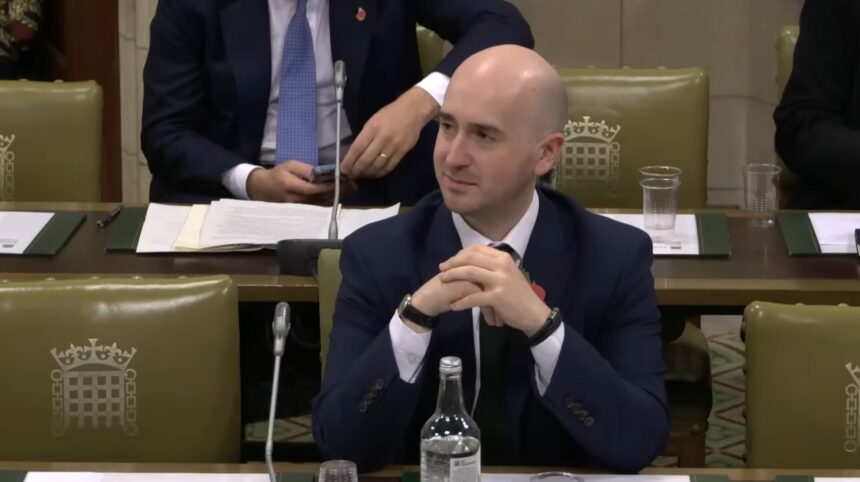
Pam Cox, representing Colchester, expressed the frustrations of players whose digital purchases vanish like socks in a washing machine: “Current laws do as much for consumer protection as a chocolate teapot,” she said, emphasizing the need for digital ownership respect. Her call? Publishers must come up with a plan that doesn’t leave gamers feeling like they just lost a high-stakes poker game.
Then there was Henry Tufnell from Mid and South Pembrokeshire, who argued that video games are part of our cultural fabric. He compared losing games to tearing the last pages out of a beloved book. “Would we tolerate an author saying, ‘Surprise! The last chapter’s gone!’” he mused. The irony of watching a gaming debate unfold with as much drama as a soap opera wasn’t lost on anyone.
Let’s Talk Tactics
Mark Sewards from Leeds South West and Morley brought the logic thunder, asserting that gamers simply want a “fairly simple” promise from game developers: “Don’t let me be left in the cold after I’ve forked out for your game.” He illustrated his point by likening it to a printer suddenly going kaput after “support ends.” Imagine spending your life savings on a fancy printer, only for the creators to remotely turn it into a dust-collecting sculpture. “That’s not support ending; that’s just cruel,” Sewards emphasized.
Critically, Sewards cited examples like Ubisoft’s The Crew, EA’s Anthem, and even a fun blast from the past, LawBreakers—games so good they could have been starred in the MPs’ own sitcom. “A little transparency goes a long way,” he quipped, urging for clearer communication on what gamers are actually buying.
The Government’s Tune: Not Changing Anytime Soon
Enter the government response, delivered by the relatively upbeat Stephanie Peacock, MP for sport, tourism, civil society, and youth. She acknowledged the passionate cries of disheartened gamers but quickly reiterated that no changes would be made to the law. “It’s a wild world of gaming out there, folks,” she seemed to say. “But we’re not budging.”
Peacock did throw in some fascinating statistics about the gaming industry being an economic powerhouse—£7.6 billion worth of fun and jobs, proving that gaming is more than just kids playing in their basements. It’s almost like the world has discovered a new form of art! However, she did caution that developers fear that mandatory server lifelines could lead to chaos and confusion, like trying to manage a crowded train station with no timetable.
A Crystal Ball for Future Gaming
As the debate wrapped up, it became evident that the gaming landscape is a bit like a magic show gone wrong—full of illusions, some cool tricks, but ultimately with a lot of smoke and mirrors. Sure, MPs called for better consumer rights and a greater emphasis on the cultural importance of video games, but the whole thing smacked of handing a toddler a broken toy and saying, “Go, play!”
As debates go, utterly engrossing. Yet, it seems those battling for gamer rights might need to bring a little more than passion to the table. How about a nice balance of action and a few strategies that would make even the most seasoned gamer nod in approval?
As digital landscapes continue to evolve, the question remains: will consumers ever truly own what they buy, or will they keep finding themselves at the mercy of publisher whims? Only time will tell, but in the meantime, the “Stop Killing Games” campaign isn’t going anywhere—much like the endless stream of game sequels that just refuse to die.