The Post-Mortem Chronicles of Anthem: A Tale of Woe and Wonder
Mark Darrah, the executive producer of the not-so-triumphant Anthem, recently graced the internet with a nearly four-hour video that could either be classified as a grand confessional or an epic saga of how not to launch a game. Buckle up, because this ride is about as bumpy as the launch of the game itself.
Anthem’s story didn’t just crash and burn; it went up in flames seven years after its release, leaving behind bewildered players, a mountain of unfulfilled expectations, and maybe a few ghosts of endless grinding. After a launch that fell flatter than a soufflé made by an amateur chef, the decision to abandon future updates was essentially the final nail in its metaphorical coffin.
In the now-infamous video, Darrah lays out the saga of Anthem, from its ambitious conception to the joyous moment when the live service dreams were shelved faster than a cluttered office desk during a surprise inspection. The pitch for this ambitious project reportedly went something like: “Imagine if BioWare took their storytelling magic and tossed it into a giant online blender, making something akin to a multiplayer FIFA!” Clever marketing, one might say, or perhaps a recipe for disaster.
From Superstar to Soggy Biscuit
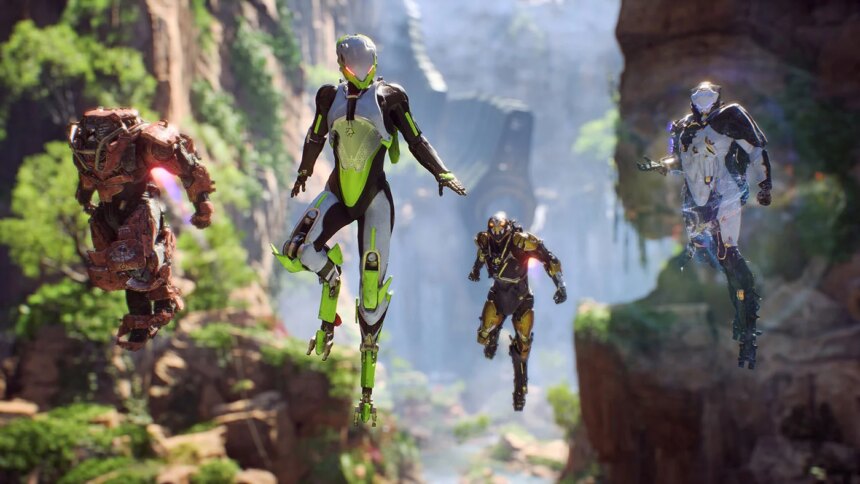
In its glorious quest to redefine multiplayer experiences, Anthem emerged as an online-only epic concocted by the legendary Mass Effect team. Released in 2019 with what could best be described as lackluster reviews, it was heralded as the dawn of a new franchise that turned out to be more of a dim flicker.
To highlight the rollercoaster of development, Darrah recalls how Casey Hudson, once the captain of this sinking ship, could only watch as creative reins were passed on like a baton in a relay race where all competitors were tripping over their own feet. The aftermath left other projects, like Dragon Age: The Veilguard, deprived of developers—like a banquet table stripped of food items just as guests arrive.
Adding a sprinkle of humor, Darrah reminisces about a particular moment from the game’s pre-order scheme that devolved into a chaotic spreadsheet. There’s nothing quite like needing a flowchart to explain which version of the game to buy. “If your pre-order strategy resembles a complex game of Twister, you might want to rethink your approach!” he quipped, adding a thoughtful nod to the wisdom of marketing.
Ratings and Revelations
Moving on to the reviews, which were no sunshine and rainbows, Darrah reported the PS4 version holding a respectable (and by “respectable,” one might mean “a solid thumb’s down”) 54 on Metacritic, and the Xbox One perched at a mere 65. Aiming for the 70s felt about as comforting as a porcupine hug—a standard that, while lower than BioWare’s previous glory days, still wasn’t an official invitation to the engagement party.
Anthem’s commercial performance, ironically, was not the success EA had hoped for. CEO Andrew Wilson lamented that the game fell short of a lofty target of 6 million sales. Trying to blame microtransactions for a lack of cash flow seems to be the classic PR maneuver, akin to pointing fingers while practicing their dance moves.
The Soft Reboot that Wasn’t
In a twist of fate, the flickering hope of a project dubbed “Anthem Next” emerged, focusing on endgame content and new social spaces. But alas, the odds were not in its favor. By February 2021, quite literally two years after the game’s awkward debut, the announcement that development would end was met with both exasperation and the kind of skepticism that might accompany a magician declaring they’re out of rabbits to pull from their hat.
Christian Dailey, the studio director, noted the “undue stress” on developers. Pandemic life threw them for a loop, which made productivity plummet like a balloon losing air. “It’s disappointing for the team, for players, and oh boy, it’s even disappointing for me,” he confessed, the charm of his words underscored by the sadness of yet another could-have-been.
The Ripple Effect
Sadly, the Anthem fiasco had repercussions that rippled through the EA universe. The plans for Dragon Age: The Veilguard’s multiplayer components were quietly shelved, in favor of crafting a more traditional single-player experience—because nothing says “success” like learning from past failures, right? Still, hints of the multiplayer design crept into the final game, leading to a mixed reception, probably leaving fans wondering if they were playing an RPG or an awkward dating simulator.
As the credits roll on Anthem, BioWare shifts focus to the next entry in the Mass Effect franchise. Will the lessons learned guide them into brighter destinies, or will another epic tale of woe be told? Only time will tell. For now, the lessons of Anthem will echo—a humorous reminder of what happens when ambition meets reality.