Keita Takahashi: Back to Japan, but Not Quite Home Again
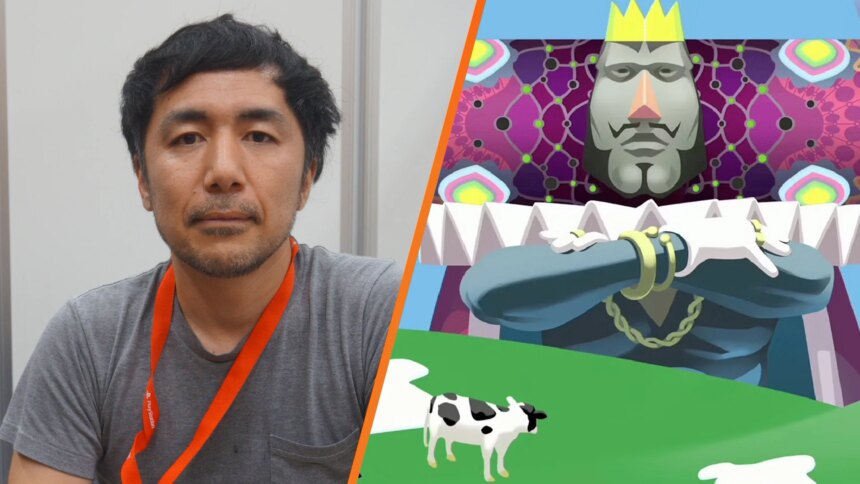
Ah, the rollercoaster of game design! It seems that Keita Takahashi, the mastermind behind the quirky goodness of Katamari Damacy, has decided to pack his bags and head back to Japan. Why? Well, apparently, the sales for his latest brainchild, “To a T,” went belly up faster than a rogue Pachinko ball. Who knew making games could be a gamble?
The Not-So-Glamorous Life of an Indie Developer
Once upon a time, in the glorious early 2000s, Takahashi launched us into a sticky-wicky universe of rolling objects and offbeat humor with his Katamari games over at Bandai Namco. But fast forward to the modern era, and the indie game knight faced the reality of not-so-great sales figures. It’s tough out there in the indie game wild; one minute you’re wowing the world, and the next, you’re back at square one, wondering what went wrong. In a recent tête-à-tête with a popular gaming outlet, Takahashi revealed that the project “didn’t sell well” and, in a plot twist worthy of a soap opera, he uprooted his family from the U.S. after spending over a decade in the land of avocado toast and tech startups.
What Comes Next? The Big Unknown
It’s easy to assume that every game developer is wading through a sea of cash while riding unicorns made of gold, but Takahashi’s reality checks are hitting harder than a brick. With a glimmer of hope and a dash of despair, he expressed that diving back into the wild world of game design might not even be on the cards anymore. One can only imagine the existential crisis that comes with creating surreal worlds full of whimsical chaos only to have the audience say, “Nah, not for me.”
The Wish for the Katamari Legacy
While reminiscing about the Katamari series—a quirky exploration of rolling up everything from cows to buildings—Takahashi still holds a soft spot for his colorful little universe. In perhaps the most heartwarming part of the ordeal, he admitted, “I wish I had the Katamari Damacy IP 🙂 Anyway, I’m glad that the game and characters are still loved today.” Who wouldn’t want to roll their ideas into a new Katamari game? It’s like dreaming of a candy store while being stuck on a diet.
Niche or Mainstream: The Eternal Conundrum
When asked about the term “niche game,” Takahashi had some insightful, albeit cheeky thoughts: “I don’t think anyone tries to make a niche game. The title ‘niche game’ is just a result!” Evidently, creating a game that appeals to the masses is like trying to find a needle in a haystack. It seems that the more creative the idea, the less mainstream it becomes. Who knew that breaking the mold could sometimes lead to… crickets?
Conclusion: The Future Awaits
In the end, Takahashi seems to be longing for an opportunity to tango with Bandai Namco once more. He’s got ideas brewing, probably involving whimsical environments and lots of eccentric shapes just waiting to be rolled up. Fingers crossed that the future shines a little brighter than the last chapter. Until then, the game design realm will just have to hold its breath and hope that one way or another, Takahashi’s imaginative spirit rolls back into prominence.