
The Dark Side of Unreal Engine: Are Movies Turning into Video Games?
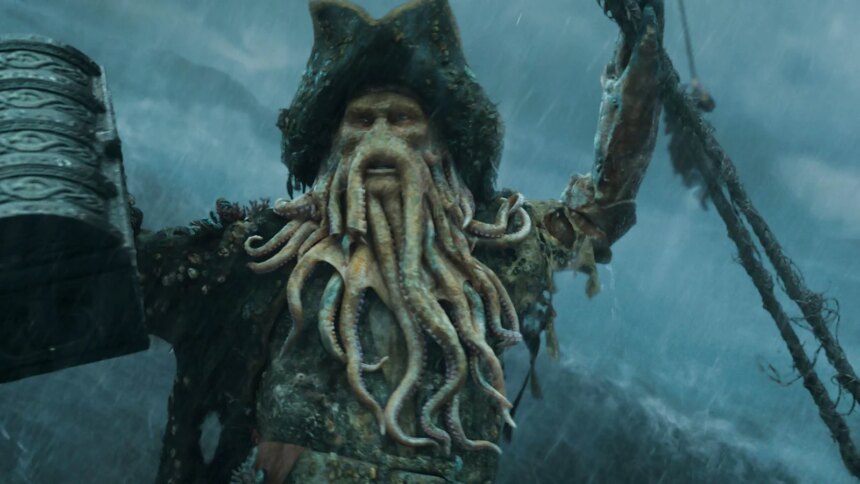
It seems the director of a famous pirate franchise—let’s just say he’s not too fond of the digital seas—is raising a ruckus about a certain gaming engine taking over Hollywood. Gore Verbinski has voiced some amusingly dramatic concerns over how the ctrl+Z brigade is steering film production into a pixelated shipwreck.
Unreal Engine: The New Kid in the Cinematic Playground
In Hollywoodland, where visual magic is part of the daily grind, Unreal Engine has crashed the party. This tech is not just hanging around; it’s like that overzealous kid who suddenly becomes the life of the party. Films and TV shows ranging from The Matrix Resurrections to the galactic escapades of The Mandalorian have been sprinkled with its digital fairy dust. But what do the seasoned directors think? Spoiler alert: it’s not all rainbows and Technicolor clouds.
Verbinski vs. The Digital Tide
In a recent tête-à-tête, Verbinski was probed about why the dazzling visual effects of yesteryears seem to have devolved into a pixelated circus. His answer? Blame it on Unreal Engine surfacing like an over-caffeinated dolphin in the ocean of visual effects. Apparently, this nifty little software has mistaken cinema for a gaming console and decided to give the whole industry a case of the uncanny valley—like trying to have a serious discussion with a talking CGI raccoon.
He remarked, “Back in the day, there was a nice little border between video games and movies. Then came the bright idea to use Unreal for actual film effects. Voilà! The gaming aesthetic streams in like it owns the place.” One can only imagine what Stanley Kubrick would say if he saw cinematic ships that float like they’ve had one too many rum rations.
The Illusion of Realism Gone Awry
Now, Verbinski wasn’t just blowing hot air. He pointed out that while this flashy tech can churn out visuals faster than popcorn at a movie theater, it can also leave much to be desired in terms of realism. “Look, light and skin aren’t buddies with this engine,” he explained, probably while shaking his fist at the digital clouds. “It just doesn’t know how to scatter light. So, when animating creatures, you get this awkward middle ground because everything is rushed. It’s like trying to finish a pizza and realizing you forgot half the toppings.”
The Evolution of Executive Acceptance
As if spicing up the discussion, Verbinski stated that the ship sailing towards visual mediocrity is a collaboration between tech and a casual acceptance from decision-makers in the industry. Apparently, when it comes to budget cuts, seeing a ship that looks about as seaworthy as a paper boat is now A-OK. Unlike back in the day, when this director’s first pirate adventure actually set sail on real waters, today’s oceanic visuals leave much to be desired.
Animating the Right Way: Motion Matters!
Let’s not forget the animated aspect that can turn the most realistic helicopter into a wobbly mess. “You can have the best-looking chopper in town, but if it flies like a toaster, your brain will call nonsense,” Verbinski quipped, refusing to let anyone forget the art of animation still matters. It’s all about the motion, the fluidity, and yes, perhaps a dash of charm to fool the audience. After all, even a CGI ship needs to earn its turn like a seasoned pirate with swagger!
Will Unreal Engine Retake the Wheel?
In conclusion, Verbinski’s concerns echo the sentiment that what was once an art form may now resemble a half-finished video game. Only time will tell if the industry embraces a return to grounded visuals, or continues down the slippery slope of video game aesthetics unchallenged. Until then, beware of filmmakers brandishing Unreal Engine; their cinematic treasure maps might just lead to the next uncanny mess!