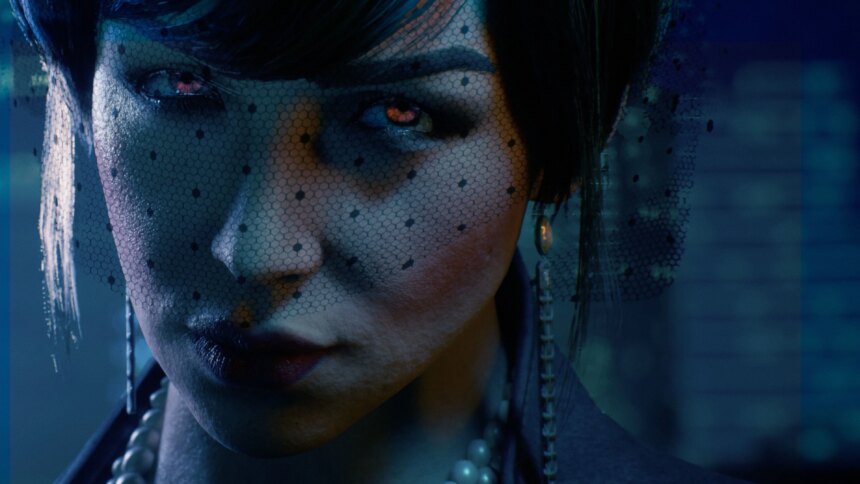
In a plot twist worthy of a low-budget horror flick, the creative director of a little game about vampires—yes, that one—recently expressed his desire to slap a different title on the long-awaited sequel, which, it turns out, had more delays than an indecisive cat at a threshold. Who would’ve thought! He felt that calling it ‘Bloodlines 2’ was like serving sushi at a steakhouse—just not the right fit due to time and resource constraints. Kind of tragic, isn’t it?
The Long and Winding Road of Development
This game’s saga began at the charming Seattle-based Hardsuit Labs, where promises of a grand 2020 launch were made. But after a couple of reality checks and developer switcheroos, the game delayed its way into the veil of obscurity and finally released in October—only to be met with a chorus of critics and angry user reviews that made the ‘Final Countdown’ seem cheerful. Is it possible to cry over a game? Because many quite literally did, focusing mostly on the RPG elements, combat control, and—for those with a penchant for nostalgia—how linear the whole experience felt. Yikes!
The Bloodlines Conundrum
Initially helmed by TCR co-founder Dan Pinchbeck, this creative endeavor came loaded with skepticism. In a recent tête-à-tête with Cat Burton, the creative lead shared how he and a friendly producer, who now roams the wilds of a different publishing house, often mused about the most pressing issue: how to escape the overwhelming expectation of delivering a worthy sequel.
“From day one, it was clear—let’s avoid calling this ‘Bloodlines 2’ like the plague,” he recounted, his sarcasm practically dripping off the words. “We were under no illusion—we couldn’t replicate what the original had done. There just wasn’t enough pixie dust—time or money—floating around.”
Nostalgia vs. Reality
And let’s face it, the first game was launched at a time when glitchy mechanics were often overlooked, much like that one friend who thinks they can belt out ‘Bohemian Rhapsody’ after three drinks. “Back then, games like Stalker and Shenmue thrived despite their numerous flaws,” he reminisced. “They had charm—enough to attract a cult following while leaving critics cringing. Today, that’s a recipe for disaster.”
Pinchbeck mused that attempting to create a sequel in this hyper-critical environment was not just challenging; it was akin to performing brain surgery blindfolded. Players would be dissatisfied, regardless of their attachment to the original. “No one wins here. You’re stuck in a time loop of complaints!”
Plot Twists and Turnaround
Pushing his agenda for a more linear game style—because why not go for something more manageable—Pinchbeck boldly declared, “Let’s ditch dreams of making a sprawling epic like Skyrim, and instead, let’s stick to something manageable, like Dishonored.” Bold words from someone who had just confirmed the setbacks of this ambitious project!
Yet with so many cooks in the kitchen, things quickly turned into “untangling an anaconda fuckball of competing priorities.” Quite an image, isn’t it? It was a maze of stakeholder desires, budget constraints, and creative visions that, one could argue, would make any ravenous vampire think twice about descending upon the world.
Burnout and Moving On
Eventually, as any responsible adult (or vampire) might do when faced with burnout, Pinchbeck decided it was time to leave the production—halfway through development, no less. “It had morphed into something different than what Jess and I created,” he said, sounding like someone who just lost their favorite mug to an office prank. “And that’s fine! Evolution happens! But at some point, one must ask, is this really the legacy?”
So here’s to adventures in game development: sometimes they deliver pure gold, while other times, they feel a bit more like soggy cereal. In the end, this vampire escapade will remain a curious chapter in gaming history, a delightful mesh of ambition and bated breath.